Fibermaxxing on GLP-1 Medications (Ozempic, Wegovy, Zepbound)
GLP-1 medications reduce appetite and slow gastric emptying, which creates a specific problem for fiber intake: the total volume of food a person eats in a day drops significantly, and fiber-rich foods (legumes, whole grains, vegetables) are exactly the foods that tend to get crowded out first when someone is eating less overall, because they take more effort to prepare than the smaller, lower-effort meals people gravitate toward on reduced appetite.
This matters clinically, not just nutritionally. GLP-1 medications already slow digestion, and inadequate fiber combined with reduced food volume and reduced water intake is a well-documented driver of the constipation that a large share of GLP-1 users report as a side effect. Multiple GI specialists have specifically recommended deliberate fiber tracking for patients starting these medications, which is part of why fibermaxxing content and GLP-1 content overlap as heavily as they do in search behavior.
The practical adjustment is prioritizing fiber density over fiber volume. With less total food intake, foods like chia seeds, ground flaxseed, psyllium husk, and lentils — all high fiber per gram — do more work than trying to eat large salads a reduced appetite won't tolerate. A tablespoon of ground flaxseed stirred into a smaller meal adds nearly 4 grams without adding meaningful volume.
Protein is typically the primary macro focus on GLP-1 medications for muscle preservation, which can push fiber further down the priority list by default. Foods that supply both — lentils, chickpeas, edamame, quinoa — solve for two targets in the same bite, which is a more realistic strategy than trying to hit separate protein and fiber goals with separate foods on a reduced appetite.
Where do you stand right now?
Run the numbers against your age and current intake.
Open the calculator↗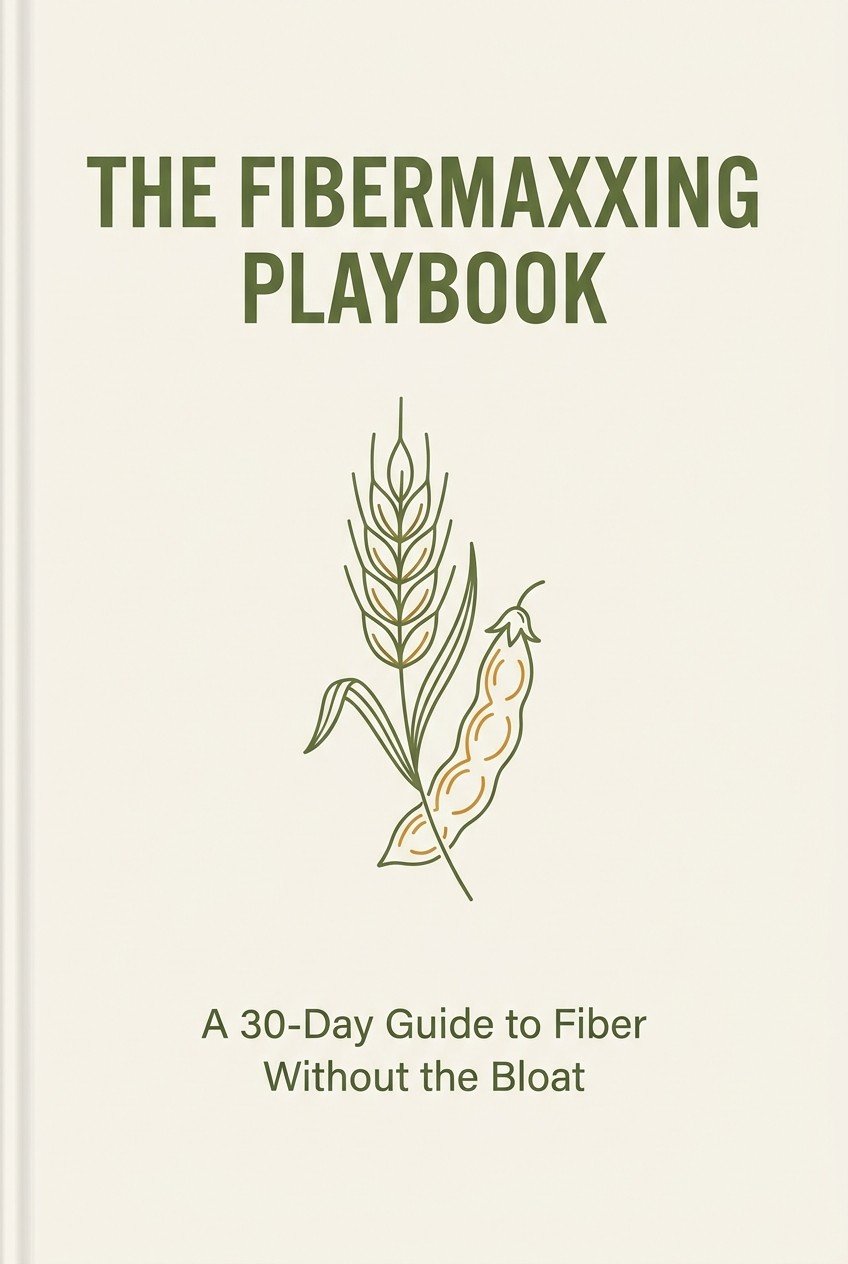
Want the full 30-day plan?
The Fibermaxxing Playbook has the week-by-week ramp schedule, 20 recipes, and a troubleshooting guide for bloating — everything in this article, plus the parts that don't fit in a blog post.
Get the ebook — $14.99↗